Material Legacies: Caernarfon


Slate
Woad
Seaweed
Iron
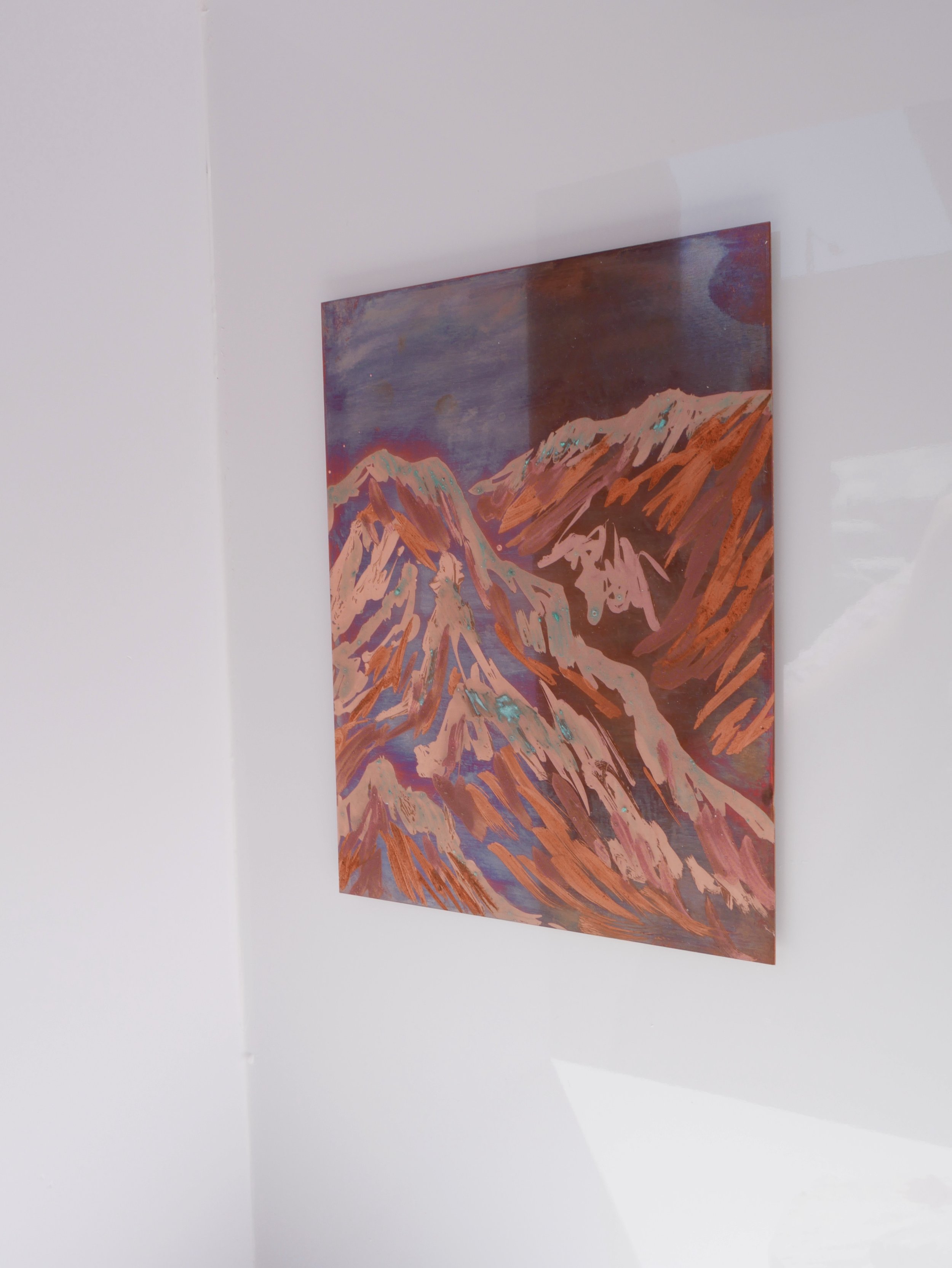
Copper
Material legacies; Caernarfon is Rhiannon Rees’s project researching into industrial and social materials which have formed Caernarfon. Rhiannon is an environmental responsive artist who is interested in the material legacies of Wales. She has spent time in locations across Wales collecting waste materials or materials of importance to Wales.
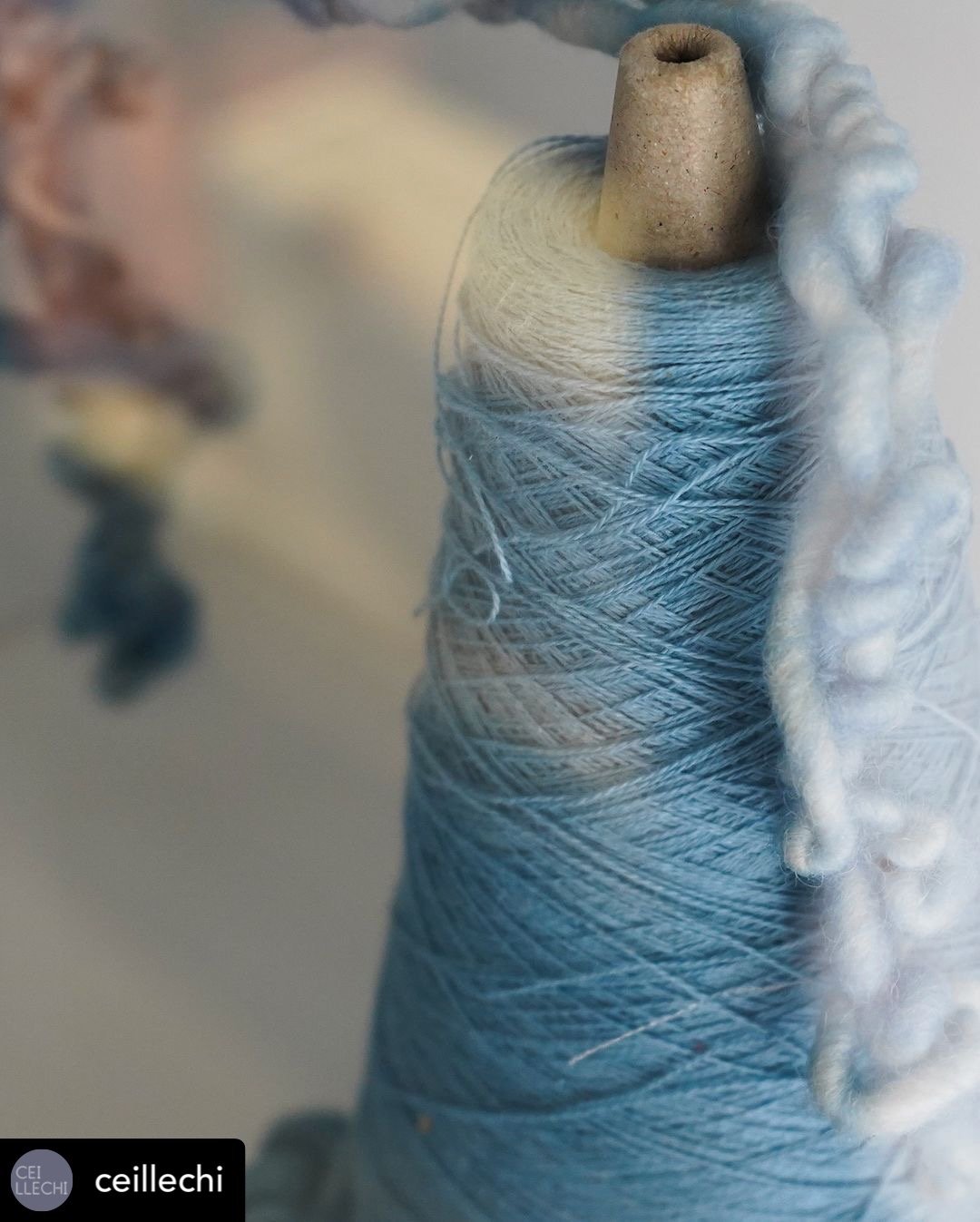
Rhiannon began with slate. It is a crucial material to Caernarfon and its development. In the north of Wales you can see the remnants of the slate industry across the land, from what Rhiannon calls the inside out mountains to the slate buildings around the towns. In the nineteenth century The Nantlle Railway, later the Caernarfonshire Railway, linked Cei Llechi (Slate Quay) of Caernarfon to the slate quarries which helped to grow the town. The cast shown in the Cei Llechi slate installation comes from the Nantlle area and the slate pigment comes from Cei Llechi itself. The piece echoes the link between these once interchanging places.
The second material within the project is iron. In the early 1800s the Union Ironworks developed in the Cei Llechi area. It worked to create the machines for the slate industry of the area, many of which can still be seen at the National Slate Museum in Llanberis. Rhiannon developed her own iron and rust paints in response to this transformable material.
The third metal that Rhiannon has researched in the project has been copper. Copper has a varied colour range which she has explored through experimenting with raw collected matter and copper pigment. She discovered how important a role Sygun Mine played in the copper production and shipping for Caernarfonshire. She visited the site to understand the material impact on the place and people. In both the Cei Llechi and Galeri installations Rhiannon has used three variations of copper. One a raw composite, one a pure copper pigment and the last a Verdigris pigment, a reactive derivative of copper.